Types of woodworm that attack our homes

Exact identification is critical when trying to determine the extent of the attack and the type of treatments required.

Common furniture beetle –Anobium punctatum
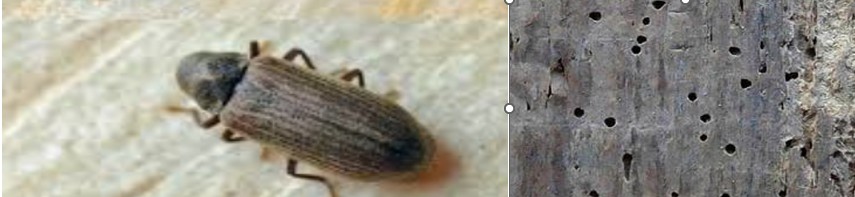
This insect is by far the most common.

Attacks sapwood of softwood and European hardwoods.

The attack is most severe in damp and fast-growing timbers.

Round holes approximately 1.5 – 2mm in diameter.

Tendency for tunnels to run with the grain.

Bore dust (frass) filled tunnels with lemon-shaped frass pellets.

An active attack will see small piles of clean-cut frass.

Deathwatch beetle –Xestobium rufovillosum
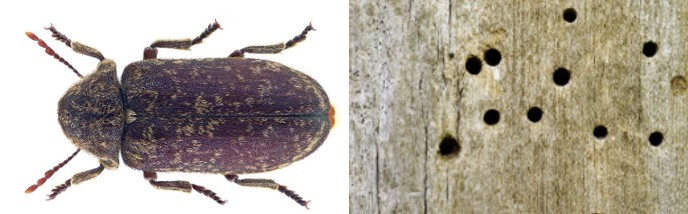
Attacked wood is virtually always hardwood.

Often, some degree of decay by the white rot, Donkioporia expansa.

Wood is usually oak.

Looks like a large Furniture beetle.

Round holes about 3mm in diameter.

Bore dust frass is ‘bun’ shaped.

The extent of the attack cannot be seen due to extensive boring under the surface.

Wood boring weevils –Pentarthrum huttoni,
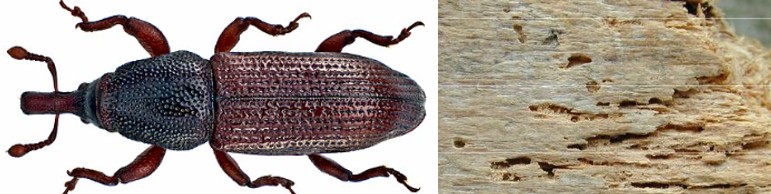
Wood-boring weevil damage is very common in damp skirting boards and embedded joist ends.

Any clearly identifiable emergence holes are ragged and around 1mm in diameter.

Attack soft and hardwood which have rot.

Tunnels tend to run along grain, frequently breaking the surface.

House Longhorn beetle –Hylotrupes bajulus:
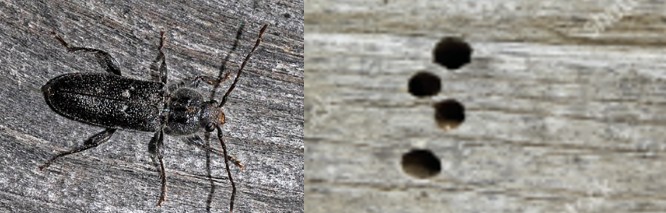
The House Longhorn beetle can cause severe structural damage to softwood.

Large OVAL emergence holes 6-8mm across.

LOTS of very loose frass with readily visible ‘sausage’ shaped pellets.

The insect is restricted to the SE of England, centred around Camberley, Surrey.

Get us to carry out a Professional Inspection:
See Timber Treatments

Diagnosing Damp in Walls

Building surveyors must be aware that moisture meters and other methods used to identify the presence of moisture in building materials do not differentiate between dampness from various sources. Therefore, it is essential to consider all potential causes of dampness before concluding. BS 6576:2005 +A1:2012 is the Code of Practice for diagnosing damp in walls.

Causes of Dampness
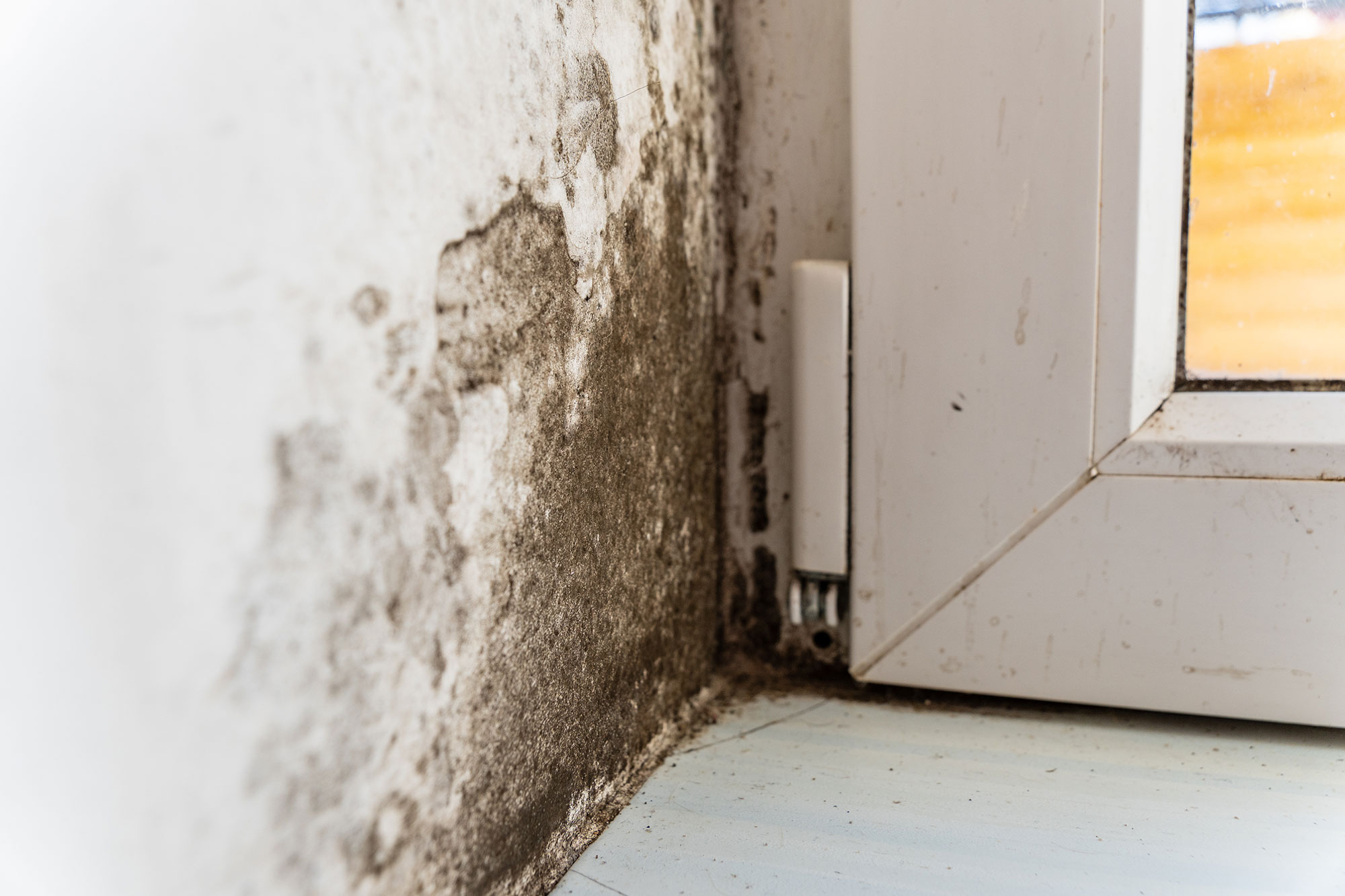
Dampness in buildings, excluding those recently built, usually stems from one of five natural sources: Rainwater penetrating damp, plumbing leaks, water from the air within the building, condensation, and water from the ground rising damp and salt damp when wall plaster gets contaminated with hydroponic salts.

Methods of Moisture Determination
Accurate diagnosis of the cause of dampness is assisted by the ability to map the distribution of moisture within a wall and ideally measure the extent of dampness. There are three fundamentally different ways of determining and/or measuring moisture in brickwork and other masonry:
1. Electrical Conductivity and Capacitance
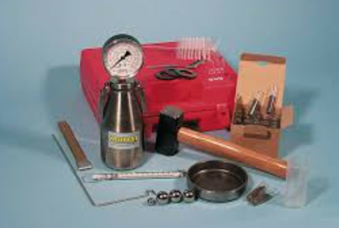
2. Chemical – Carbide method
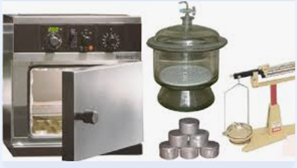
3. Gravimetric – Oven drying method

Electrical Methods

These methods are non-destructive and provide quick and easy readings. However, in walls of uncertain composition, the electric method may not give a direct percentage reading of moisture content. Readings are typically recorded on a relative scale to establish the moisture pattern. Electrical methods are useful tools but can lead to confusion and incorrect diagnosis, especially where ground salts are present or the substrate being tested is conducting.

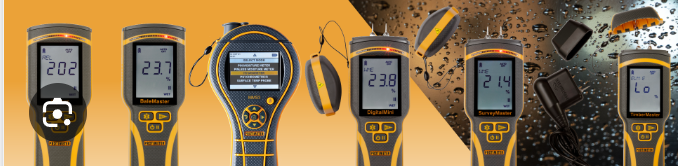
Conductivity Meters: Two probes are used to complete an electrical circuit through the meter on the wall’s surface or embedded in the wall’s depth. The electrical resistance in the wall influences the circuit and is affected by the moisture content.

Capacitance Meters: The meter or separate head with conducting plates or concentric rings is placed on the surface being measured for moisture content. The fringe capacitance in the sensor, influenced by moisture content, is measured by the meter. Some instruments use visual or audible indicators for changes in moisture content.

Gravimetric or Oven Drying Method

This is a destructive method where drillings must be taken from the wall. It is time-consuming and requires laboratory facilities, making it unsuitable for on-site use. However, it is the most accurate method available and can differentiate between ground moisture and hygroscopic moisture.

Chemical Method

The carbide meter is a destructive method, but it can be used on-site and provides rapid results. Although it does not directly distinguish between ground moisture and hygroscopic moisture, comparisons and in-depth drilling can offer a good indication.

Wall Tie Corrosion

Throughout the years, there have been numerous cases of cavity wall distress in the UK, which can be attributed to the corrosion of metal ties. This distress often presents itself as bulging, cracking, leaking, or in severe cases, the collapse of walls under high wind loads. It has become apparent that this issue could potentially affect almost all cavity-walled structures constructed before 1981, which amounts to around 10 million properties.

Cavity walls with metal ties have been used since the early 19th century and are particularly common in homes built in the southern and western regions of the UK during the early 20th century.

It is now evident that the longevity of bitumen and zinc coatings on these metal ties falls short of the 60-year life expectancy of the walls. This was recognised in the 1981 amendment to BS 1243, which increased the minimum zinc coating thickness on wire ties threefold.

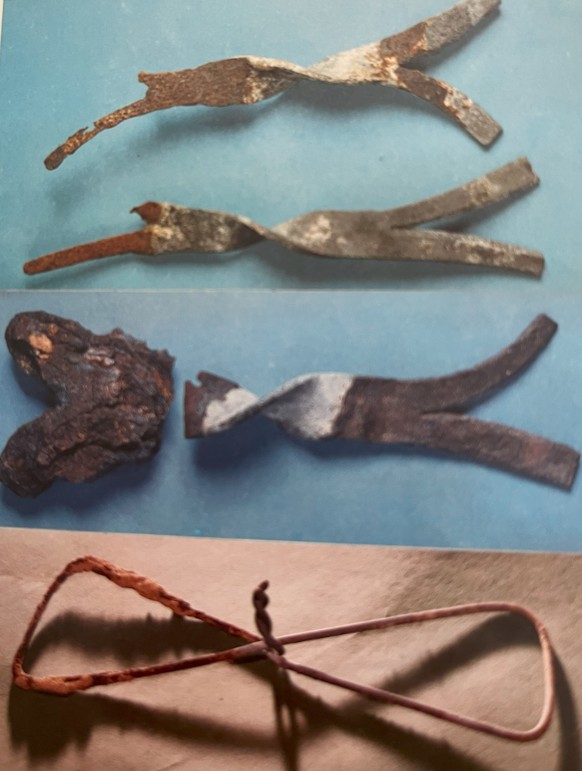
Wall tie corrosion refers to the deterioration and eventual failure of metal ties that connect the inner and outer walls of a cavity wall, often due to the rusting of the metal. This corrosion can lead to horizontal cracking and separation of the brickwork, compromising the wall’s stability. 

Here’s a more detailed explanation:

What are Wall Ties?

  • Wall ties are metal fasteners that connect the inner and outer layers of a cavity wall, preventing them from separating.
  • They are typically embedded in the mortar joints between the bricks. 

Why do Wall Ties Corrode?

  • Older wall ties, particularly those made of mild steel, were often coated with paint or a galvanized layer, which could degrade over time.
  • Water ingress into the cavity wall, especially through cracks or damaged mortar, can accelerate corrosion.
  • The expansion of rust can cause the wall tie to expand, potentially pushing the bricks apart. 

Consequences of Wall Tie Corrosion:

  • Horizontal Cracking:

As the wall ties rust and expand, they can lift the bricks above and create horizontal cracks in the mortar joints, often at regular intervals. 

  • Loss of Stability:

The expansion and eventual failure of wall ties can weaken the wall, making it susceptible to movement and even collapse, particularly in areas exposed to high winds. 

  • Bulging:

The outer leaf of the wall may bulge outwards as the ties corrode and fail, leading to a visible distortion. 

  • Water Ingress:

Damaged ties can allow water to penetrate the cavity, leading to dampness and potential damage to the interior of the building. 

Signs of Wall Tie Corrosion:

  • Horizontal Cracks:

Look for cracks that run horizontally across the wall, often aligned with the mortar joints. 

  • Bulging:

Notice if the outer leaf of the wall appears to be bulging outwards. 

  • Rust Stains:

Vertical lines of reddish-brown discoloration on the brickwork can indicate rusting ties. 

  • Damp Patches:

In some cases, dampness inside the building, especially if it coincides with cracking or bulging on the exterior, can be a sign of wall tie failure. 

  • Rattling Noises:

In high winds, a rattling sound may be heard if the outer leaf of the wall is no longer securely tied to the inner leaf. 

What to do if you suspect wall tie corrosion: