
Specialised Building Services for damp treatment
Our tailored building services include free inspections for damp treatment. Damp walls are a frequent issue that can arise from a variety of sources, such as plumbing leaks, condensation, rainwater ingress, and rising damp. Pinpointing the root cause is essential for successful remediation.
We provide a prompt and dependable service for receiving initial instructions, scheduling inspections, and completing reports, for damp treatment which can be sent via email. Our surveyors, who are qualified by RICS, are responsible for preparing all reports, work schedules, recommendations, and cost estimates.
Causes of Damp Walls: needing damp treatment
Penetrating Damp: Leaks in roofing, damaged gutters, or cracks in the building’s exterior can allow water to seep in. Damp treatment might be as simple as repairing the roof or gutter leaks.

More information on Rainwater Penetration:
Rising Damp: Groundwater rising through porous building materials due to capillary action, particularly affecting ground floor walls. Damp treatment may require a new chemical damp proof course DPC.

Defective Damp Proof Course (DPC): A compromised DPC can allow moisture to rise from the ground into the walls. Damp treatment may require the removal of bridging render
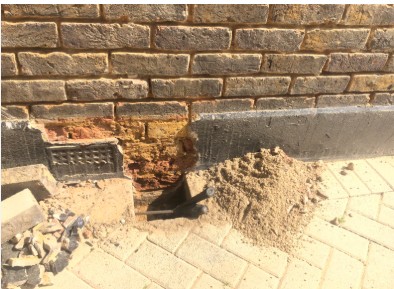
More information on Rising Damp:
Salt Damp: This is when plaster becomes contaminated with salts. Damp treatment may require salt treatments.
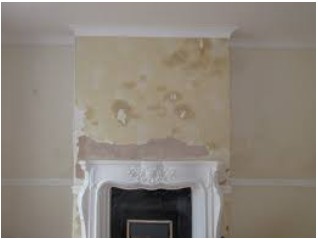
Condensation Damp: Warm, moist air meeting cold surfaces can condense, leading to dampness and potential mould growth. This service is not offered free of charge because we offer indepth Condensation Surveys that don’t recommend any damp treatment. Condensation Leaflet (Opens in PDF format)

More information on Condensation:
Signs of Damp Walls:
- Damp patches on walls, often with a “tide mark” in cases of rising damp.
- Mould growth, which can be black or other colors.
- Peeling paint or wallpaper.
- Cracked plaster or render.
- Salt deposits on the wall.
- A musty or damp smell.
Treatment Options:
- Condensation:
Improve ventilation, reduce moisture sources (e.g., drying clothes indoors), and ensure adequate heating.
- Rainwater Penetration:
Repair leaks, ensure proper gutter and downpipe maintenance, and seal cracks or gaps in the exterior.
- Rising Damp:
Repair or replace the damp proof course (DPC), potentially using chemical treatments or membranes.
- General:
Address any structural issues that may be contributing to dampness, such as damaged roof tiles or faulty brickwork.
Important Considerations:
- Damp walls can lead to structural damage, health problems (due to moulld), and increased energy costs.
- If you’re unsure about the cause of dampness or how to treat it, consult a professional damp proofing specialist.
Key factors contributing to Portsmouth’s damp problem: